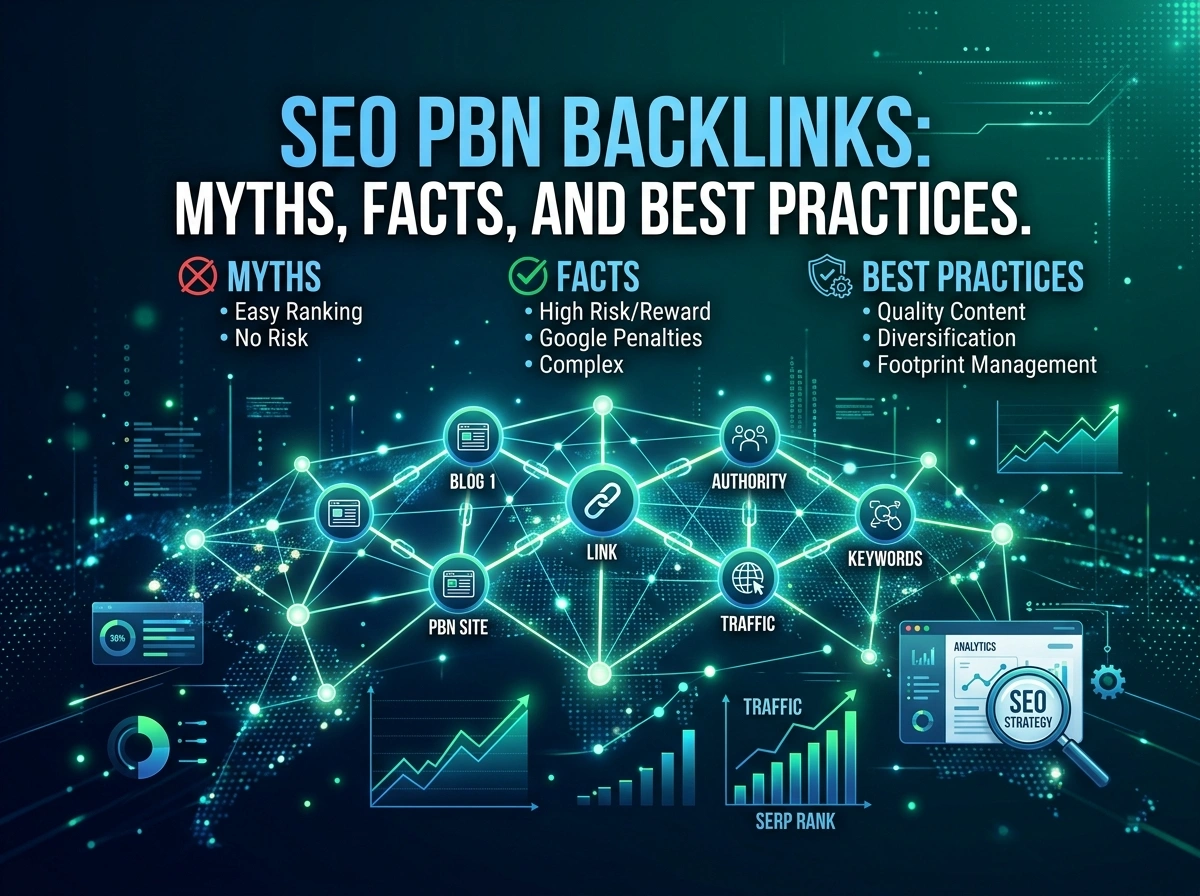
Search engine algorithms update constantly, making it incredibly difficult to secure top positions on search engine results pages. Great content alone cannot guarantee visibility. Websites require a robust, authoritative link profile to climb the rankings. Professionals use various methods to build this authority, and Private Blog Networks remain one of the most debated topics in the industry.
Many marketers whisper about Private Blog Networks behind closed doors. Some claim they are a guaranteed ticket to the top of Google, while others warn they will completely destroy your website’s reputation. This extreme polarization leaves business owners and marketing agencies confused about how to proceed with their link-building campaigns.
Understanding the actual mechanics of these networks can entirely change your approach to search engine optimization. A Private Blog Network is essentially a collection of high-authority websites used primarily to build links to a central target website. These networks are built on expired domains that already possess significant trust and link equity from years of prior existence.
This guide will clarify the confusion surrounding this link-building strategy. We will examine common misconceptions, explain the factual mechanics of how these networks operate, and establish clear guidelines for using them safely and effectively. By the end of this article, you will have a comprehensive understanding of how to manage your backlink profile.
Common Myths Surrounding PBNs
The internet is full of misinformation regarding advanced search engine optimization tactics. People often spread rumors based on outdated information or failed personal experiments. Let us break down the most prevalent myths about private blog networks.
Myth 1: Search Engines Instantly Penalize All Networks
A widespread belief is that search engine crawlers can automatically detect any private network and will instantly issue a manual penalty to your website. This fear stems from high-profile network de-indexations that occurred years ago. Search engines have certainly become smarter at identifying manipulative link schemes. However, they primarily catch poorly constructed networks that leave massive digital footprints.
High-quality networks are specifically designed to look like completely independent, legitimate websites. When network owners use different hosting providers, unique IP subnets, varied content management systems, and high-quality native writing, algorithms simply see standard websites linking to one another. The penalty risk is tied entirely to the quality of the execution, not the mere existence of the network.
Myth 2: These Links No Longer Work
Some industry blogs publish annual articles claiming that private networks are a dead strategy. This narrative is usually pushed by agencies selling expensive digital PR or standard outreach services. The reality is quite different. Authoritative backlinks remain the strongest ranking signal for search algorithms.
Because these networks utilize expired domains with years of accumulated trust and high metrics, they pass substantial link equity. Marketers in highly competitive niches like finance, legal, and local services continue to use them because they provide measurable, rapid movement in search results. A link from a trusted domain will always carry weight, regardless of who owns the domain.
Myth 3: Cheap Links Provide the Same Value
Budget-conscious website owners often purchase massive packages of links for a few dollars on freelance marketplaces. They assume a link is just a link. This is a dangerous misconception. Cheap providers typically use penalized domains, spun content that reads like gibberish, and single servers that host hundreds of sites.
Purchasing low-tier links will almost certainly harm your website. Premium network operators invest heavily in acquiring pristine domains with clean histories. They hire professional writers and limit the number of outbound links on each site. The massive difference in overhead costs directly translates to the safety and effectiveness of the links you receive.
The Facts: How PBNs Actually Work
Moving past the myths requires a solid understanding of the underlying mechanics. Private networks are highly effective when built correctly because they manipulate the core signals search engines use to determine website authority.
Leveraging Existing Domain Authority
Building a website’s authority from scratch takes years of consistent effort and massive content investment. Search algorithms trust older domains that have earned links from reputable sources over time. Network builders purchase expired domains that already have this established history.
When you place a link on one of these aged domains, you funnel that pre-existing authority directly to your money site. It acts as a concentrated dose of domain authority, elevating your site’s metrics across the board. This rising tide helps your inner pages and long-tail keywords rank much faster than they would through organic growth alone.
Absolute Control Over Anchor Text
Traditional outreach campaigns are notoriously unpredictable. You cannot easily dictate the anchor text, the surrounding content context, or the exact placement of your link when dealing with independent webmasters. This lack of control makes it difficult to optimize your site for specific commercial keywords.
Private networks solve this problem completely. The network owner has full administrative access to the linking site. This precision allows you to optimize your anchor text ratios perfectly. You can ensure maximum relevance for your target keywords without triggering algorithmic penalties for over-optimization. You get exactly the link you need, exactly where you need it.
Accelerating the Link Building Process
Standard white-hat link acquisition involves prospecting, pitching, negotiating, and hoping a webmaster actually publishes your content. This process can take months to secure a handful of decent links. Business owners in competitive markets often cannot afford to wait that long to see a return on their investment.
Private networks bypass this waiting period entirely. Because the infrastructure is already in place and controlled by the provider, links can be published and indexed within days. This rapid acceleration leads to noticeable ranking improvements in weeks rather than months.
Best Practices for Using PBN Backlinks
Executing this strategy safely requires strict adherence to quality standards. If you decide to incorporate this tactic into your marketing arsenal, you must follow these best practices to protect your primary website.
Prioritize Network Quality and Footprint Management
Safety in link building comes down to footprint management. Search engines look for patterns that indicate a single entity controls multiple sites. To avoid detection, every site in the network must appear completely independent.
Premium providers use different domain registrars and ensure private registration. They host the sites on diverse platforms, including premium cloud hosting and distinct IP subnets. They also vary the site architecture, using different WordPress themes, plugins, and content structures. Never buy links from a provider who cannot clearly explain their footprint management protocols. If you are looking for a reliable source, you can find high-quality seo pbn backlinks from industry experts who utilize zero-footprint hosting.
Maintain Strict Relevance
In the early days of search engine optimization, a link from any high-authority site would boost your rankings. Algorithms are now highly focused on topical relevance. A link to a dental clinic from a blog about auto repairs looks unnatural and passes very little value.
Ensure your links come from domains that are topically adjacent to your niche. The content surrounding your link must be well-written, engaging, and directly related to your target page. Native writers should craft unique articles that naturally incorporate your target anchor text, providing maximum ranking value and looking completely natural to search engine crawlers.
Scale Gradually and Naturally
A sudden influx of hundreds of high-authority links to a brand-new website is a massive red flag for algorithms. Natural link profiles grow steadily over time. Your acquisition strategy should mimic this organic growth pattern.
Start with a small injection of links to test the waters. Monitor your keyword movement over a few weeks. As your site gains traction and organic traffic increases, you can gradually scale your link volume. A phased approach ensures your backlink velocity looks completely natural, protecting your site from algorithmic volatility while steadily pushing you up the search engine results pages.
Frequently Asked Questions About PBNs
Business owners often have specific questions before investing their marketing budget into new link-building strategies. Here are detailed answers to the most common inquiries regarding private networks.
How do I evaluate a good network provider?
Evaluating a provider requires looking past their sales pitch. You should ask about their domain vetting process. A reputable provider checks the historical archives of a domain to ensure it was never used for spam or previously penalized. They should also provide transparent reporting so you can actually see the metrics of the sites linking to you. Avoid any service that hides their processes or guarantees specific ranking positions overnight.
How long does it take to see tangible results?
Speed is a primary benefit of this strategy, but patience is still required. Because these domains are already trusted and frequently crawled by search engines, new links are usually indexed rapidly. Most site owners begin to see positive movement in their keyword rankings within two to four weeks of the links going live. The full impact of the link equity is typically realized around the sixty-day mark.
Are these links suitable for local businesses?
Yes, they are highly effective for local search engine optimization. A local business might only need a small handful of high-quality links to completely dominate their specific city or region. By using location-specific anchor text on topically relevant network sites, local plumbers, lawyers, and contractors can quickly overtake competitors who rely solely on basic directory citations.
What is the ideal anchor text strategy?
Over-optimizing your anchor text is the fastest way to trigger a penalty. You should never use your exact target keyword for every single link. A healthy backlink profile consists of a natural mix. Use your brand name frequently. Use naked URLs. Incorporate generic phrases like “click here” or “read more.” Save your exact-match commercial keywords for your most powerful, high-authority network links, and use them sparingly.
Next Steps for Your SEO Strategy
Navigating the complexities of search engine rankings requires a calculated approach. Private blog networks offer an incredibly powerful tool for marketers who understand how to use them correctly. By avoiding cheap, footprint-heavy networks and focusing on premium, contextually relevant links, you can drastically accelerate your website’s growth.
Take time to conduct a comprehensive audit of your current backlink profile. Identify the gaps between your website and your top competitors. Determine which specific pages need an authority boost to reach page one. Once your strategy is clear, you can begin acquiring high-quality links to secure your position at the top of the search engine results pages and defend your market share.